
by @Soiltek
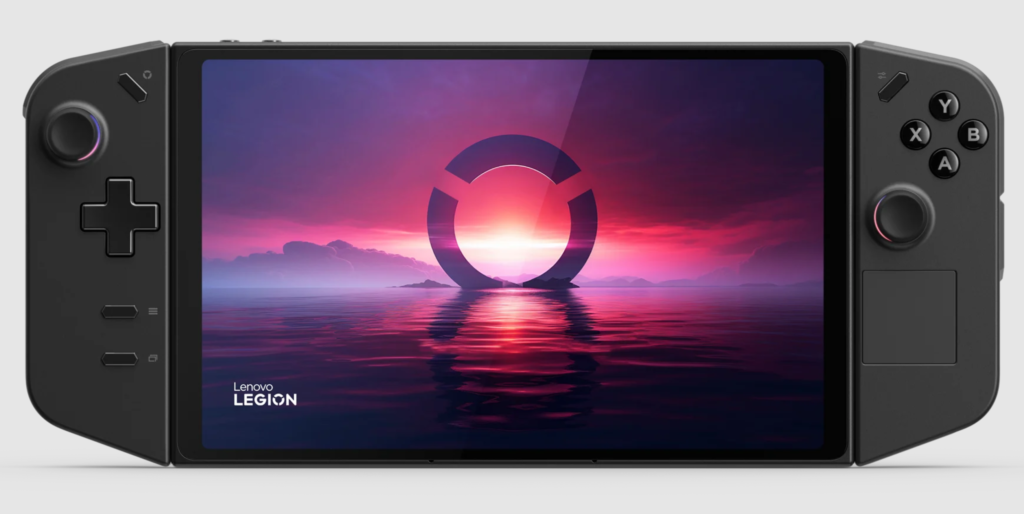
I think I finally realized the handheld gaming PC market had entered a weird place when one of my friends basically performed a full enthusiast rebuild on a Lenovo Legion Go after originally acting like the thing barely deserved oxygen.
This is a friend of mine who works in IT at a high level, runs a gaming-focused YouTube channel, and generally knows enough about PC hardware to accidentally turn normal conversations into thermal discussions. At the time, he was heavily in the ASUS ROG Ally camp and jokingly referred to himself as a “Ragoon,” fully embracing the increasingly tribal nature of handheld gaming PC culture. If you liked Rog Ally handhelds, you were part of the tribe. If you liked the Legion Go, you were apparently over there doing whatever it is Legion Go owners do besides waiting for driver updates.
I remember showing him an Amazon posting for a Starfield skin I was considering purchasing for my Legion Go and getting one of those responses that is technically polite but spiritually equivalent to someone looking at your custom Honda Civic exhaust setup and saying, “Nice, man.” You can feel the judgment hovering in the air like humidity.
At the time, I don’t think he really bought into the Legion Go philosophy at all. Devices like the ROG Ally felt cleaner and more refined to him. The Legion Go felt more experimental, almost like a handheld designed by people who looked at the Nintendo Switch and thought, “What if this thing also functioned as a Windows laptop, a tablet, a troubleshooting exercise, and occasionally a space heater?”
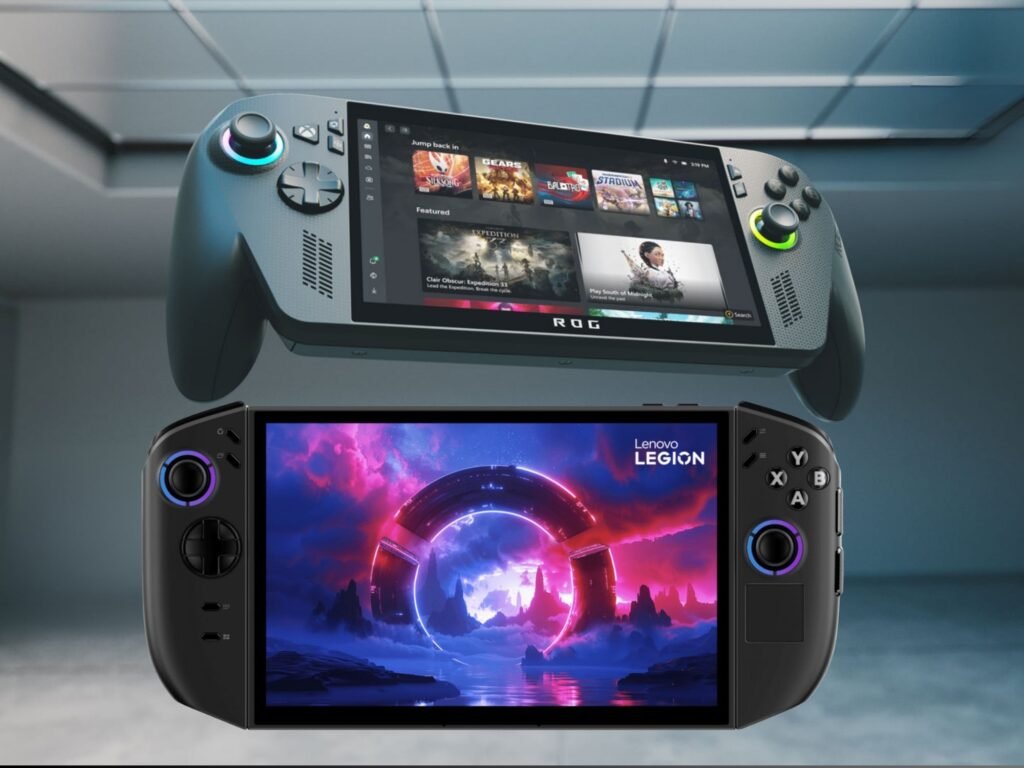
The Rapid Evolution of Handheld Gaming PC Hardware
Then the market changed incredibly fast and honestly, I do not think any of us fully realized how fast it was going to happen.
Because somewhere along the line, handheld gaming PCs stopped feeling like niche gadgets for enthusiasts and started becoming their own ecosystem entirely. New models began arriving at a pace that felt less like console generations and more like smartphones. Every few months there was another announcement promising:
- better battery efficiency, improved low-watt performance,
- better thermals, AI-enhanced optimization,
- upgraded displays, faster RAM, larger SSDs,
- aggressive naming conventions that sound like gamer terminology fed into a slot machine.
Meanwhile, my friend eventually bought a Legion Go himself. Not only did he buy one, he went full enthusiast mode on it. (To be fair, I swim in those waters myself.)
He upgraded the joysticks. Modified the battery. Tuned the software. Tweaked the system. Messed with drivers.
Somewhere along the way, the device stopped being a handheld and became a project. The kind of project where Reddit tabs remain permanently open in your browser because somebody in a forum with an anime avatar discovered a way to gain three extra frames per second through what appears to be wizardry.
Ryzen Z1 Extreme vs. Z2 Extreme: The Performance Disconnect
That is the thing I cannot stop thinking about with this market. The Legion Go still runs modern games well. A Ryzen Z1 Extreme handheld in 2026 did not suddenly become useless because a Ryzen Z2 Extreme exists now. Yet the conversation surrounding these devices changes almost immediately after the next generation appears.
Online discourse starts treating previous-generation hardware like it has one foot in the grave while the thing is still out there running Cyberpunk 2077, Forza Horizon 5, and Monster Hunter perfectly competently.
The Reality of Handheld Specs: Efficiency matters a lot in handheld gaming. Battery life, lower temperatures, and better low-watt performance matters because these devices spend their entire existence balancing power draw against heat against the uncomfortable reality that physics still exists.
But I also think there is a growing disconnect between the actual experience of using these handhelds and the way the market talks about them. When you are gaming on a handheld screen at 800p or 1200p, are you really experiencing some mind-melting generational leap between a Z1 Extreme and a Z2 Extreme device? Or are you mostly getting slightly better battery behavior and fans that sound a little less like a small drone preparing for reconnaissance?
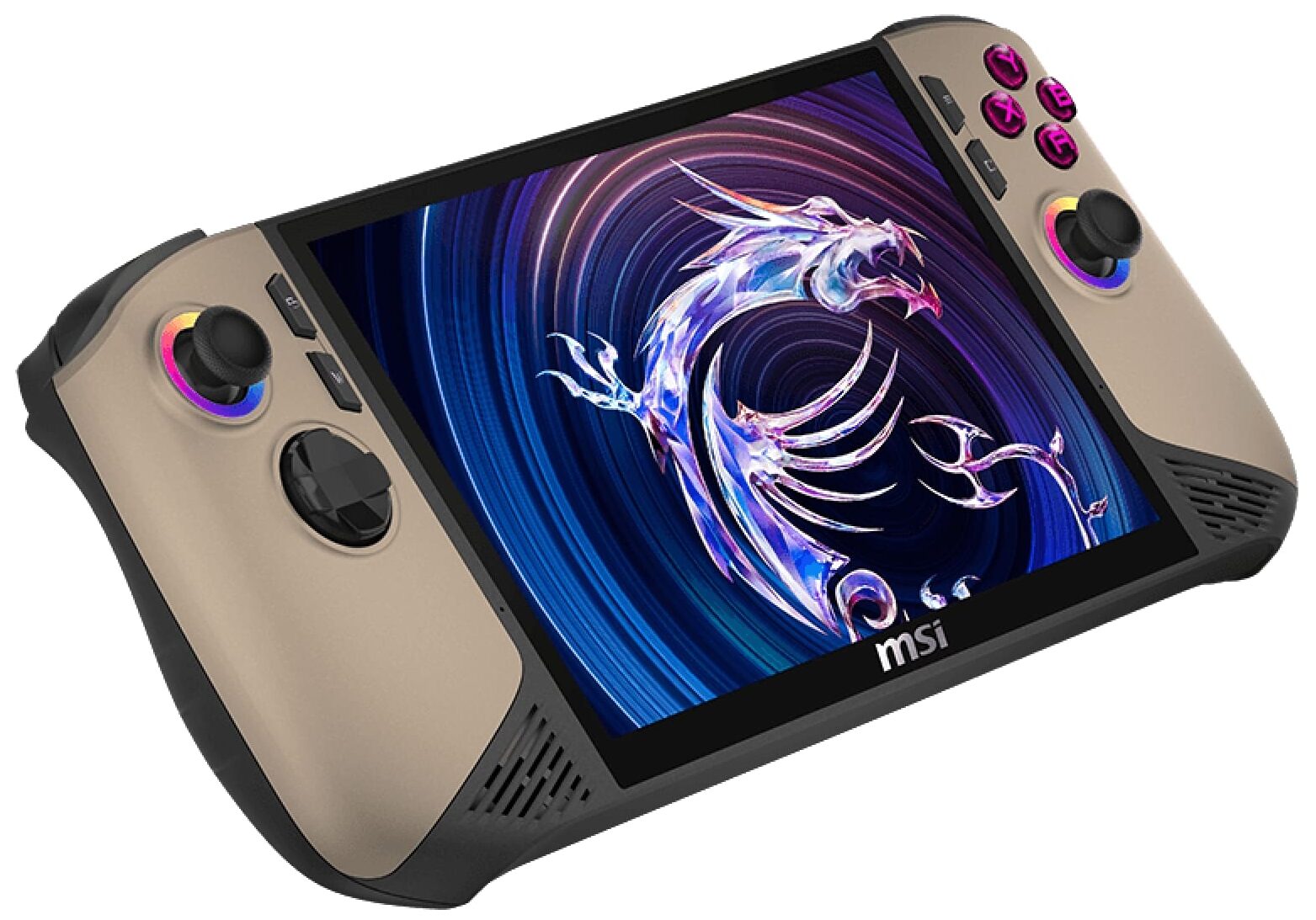
That is not me dismissing the advancements. The improvements are real. I just think the pace of the market has started outrunning the actual lived experience of using these devices.
How the 2026 “RAMpocalypse” and Storage Costs Impact Pricing
At the same time, prices have started climbing into territory that feels increasingly absurd for portable gaming hardware. Once you factor in upgraded storage, higher RAM configurations, docks, cases, external batteries, accessories, some of these handheld setups start creeping dangerously close to gaming laptop pricing.
This pricing pressure is not happening in a vacuum either. The PC hardware market is currently dealing with what enthusiasts call the “RAMpocalypse.” High AI data center demand has pulled the global memory supply toward servers, high-bandwidth memory (HBM), and enterprise customers.
Ordinary PC buyers are feeling the squeeze across the board:
| Component Squeeze | Market Driver | Real-World Impact on Handhelds |
| LPDDR5X / RAM | Ai Data Center Demand | Premium 24GB or 32Gb Configurations face sharp retail price hikes |
| M.2 2230/2280 SSDs | Supply-side tightening | Upgrading past 1TB (essential for Modern AAA game sizes) adds significant hidden ownerhip costs. |
According to Framework, RAM and SSD prices are continuing to rise as suppliers warn of further increases into 2026 and beyond. That makes premium handheld configurations feel less like harmless upgrades and more like buying into the market at exactly the wrong time.
When a newer handheld asks buyers to pay a premium for extra RAM and slightly better efficiency, buying a previous-generation handheld at a deep discount starts feeling less like a compromise and more like financial self-defense.
The Power of Handheld Optimization: FSR, Bazzite, and Lossless Scaling
Despite all this hardware acceleration, software optimization still feels like the real MVP of handheld gaming. This may honestly be the dirty little secret of this entire industry right now.
A properly tuned older handheld can still feel fantastic in actual day-to-day gaming thanks to a robust layer of community and manufacturer software tools:
- AMD FSR & AFMF: Spatial upscaling and fluid motion frames to artificially boost frame rates.
- Lossless Scaling: A critical third-party app allowing frame generation on virtually any handheld title.
- Custom Operating Systems: Linux-based OSs like Bazzite that streamline the console-like experience.
- TDP Tuning: Custom power profiles that allow users to clamp down on wattage to save battery life.
Which is where things start getting awkward for manufacturers. If older hardware still works this well via software optimization, how often do people really need to upgrade?
The Consumer Anxiety of Slow Driver Updates and Fragmented Ecosystems
That question becomes even messier once ecosystem confidence starts getting shaky. This is where the Legion Go situation became interesting to me personally.
I want to be fair: I do not think it is accurate to say Lenovo outright abandoned the device. The company later clarified ongoing support plans and continued releasing updates. But perception matters in enthusiast hardware spaces, and the perception among many Legion Go owners was that the official support cadence slowed down enough to create anxiety.
Users started sideloading official AMD drivers, experimenting with ASUS drivers, and treating community firmware updates like survival resources during a digital winter.
That uncertainty changes how people feel about their hardware even if the hardware itself remains perfectly capable. It’s not just performance haunting handheld gaming PCs right now, it’s confidence. Consumers are spending increasingly large amounts of money on ecosystems that evolve at smartphone speed while still carrying the long-term support expectations of traditional PC gaming.
Which makes the funniest part of this whole story the fact that my friend eventually moved on from his heavily modded Legion Go anyway. Not because it suddenly became incapable, but because the handheld ecosystem itself has become this endless churn of optimization anxiety, driver conversations, benchmark comparisons, and low-level consumer paranoia.
Meanwhile, I keep looking at my current handheld and thinking the same thing every time I boot it up:
This thing is still actually really good.
For more analysis like this from Soiltek and other GC community members check out our blog.